
Clayface: DC's $40 Million Gamble on a Monster, Not a Superhero
@media (max-width:600px) { .cb-clayface-affiliate { float:none !important;clear:both !important;width:100% !important;max-width:100% !important;margin:18px 0 !important; } }
A man who can wear any face may be the last person capable of recognizing his own. That is the central horror lurking beneath Clayface, the Batman supervillain whose latest incarnation is about to headline a movie without Batman—and without any pretense that its title character is a superhero.
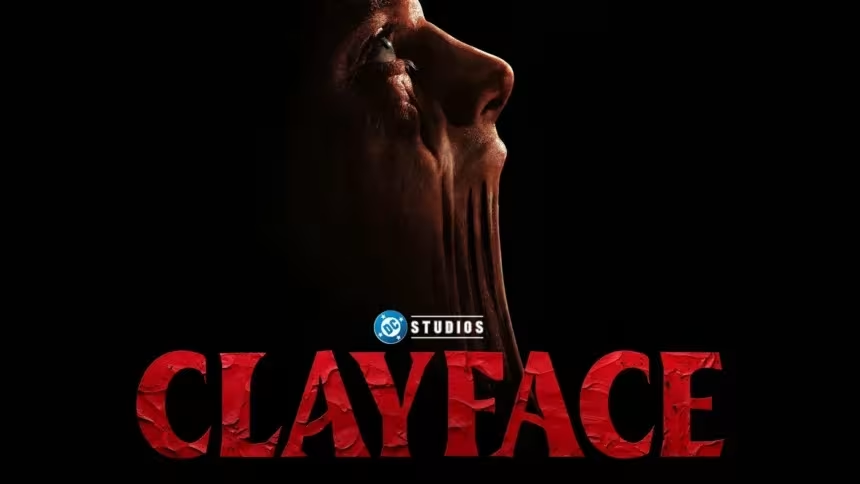
DC Studios is releasing an R-rated horror thriller on October 23, with international screenings beginning October 21. Directed by James Watkins and starring Tom Rhys Harries as Matt Hagen, the film tests whether James Gunn and Peter Safran's interconnected DC Universe can accommodate a monster tragedy as comfortably as it accommodates Superman. It is a test of genre and filmmaking freedom, not simply another attempt to turn a recognizable comic-book antagonist into a franchise.
A Monster With Several Origins
Clayface has never been one character with one fixed biography. The original, Basil Karlo, debuted in Detective Comics #40 in 1940 as a horror-film actor driven to murder when one of his pictures was remade without him. He had no shapeshifting powers: the menace came from a man wearing a monster's identity.
Matt Hagen, introduced in Detective Comics #298, became the second Clayface and brought the ability to change form. Preston Payne's later incarnation gave the concept a more painful dimension: a transformed man whose condition made ordinary human contact dangerous. These different versions supplied pieces of a character whose tragedy is as important as his powers.
For many fans, the defining Clayface is the Matt Hagen of Batman: The Animated Series. Its 1992 two-parter, “Feat of Clay,” blended the actor’s downfall, an addictive experimental cosmetic treatment and grotesque transformation. As DC’s overview of the different Clayfaces illustrates, the new film follows that broad emotional template rather than reproducing a single comics origin.
EXPLORE THE HISTORY OF CLAYFACE
Batman Arkham: Clayface
Discover the many incarnations of Gotham's shapeshifting adversary in this DC Comics collection.

As an Amazon Associate, Critical Blast earns from qualifying purchases.
The Body Becomes the Enemy
According to the film’s official synopsis, Hagen is a Gotham street kid who becomes a Hollywood leading man before a local crime boss leaves him disfigured. Abandoned by the people around him, he seeks an experimental procedure that restores his appearance but destabilizes his sense of reality and sends him toward revenge. His horror is not merely that his body changes; it is that the transformation attacks the identity on which his livelihood and relationships depend.
Watkins directs a screenplay credited to Mike Flanagan and Hossein Amini, from a story by Flanagan. The filmmakers have embraced body horror rather than the rhythms of a conventional superhero adventure. Gunn's suggested viewing includes The Fly, The Brood and Videodrome, films in which bodily transformation exposes deeper anxieties about desire, control and selfhood.
There is a cruel irony in giving an actor the power to assume another face. Hagen's professional value depends on being seen, yet the means by which he attempts to recover his appearance may make him incapable of recognizing himself. That is enough to sustain a horror film before a cape or cowl enters the frame.
James Gunn's DCU, Not Matt Reeves' Batman Universe
Matt Reeves is one of Clayface's producers, which understandably causes confusion. Reeves directed The Batman and developed The Penguin, both associated with Robert Pattinson's separate Batman continuity. But Clayface belongs to the DC Universe overseen by Gunn and Safran—the continuity of Superman and the planned Man of Tomorrow—not Reeves' distinct Gotham.
That division is not an incidental piece of corporate bookkeeping. In an interview about the project’s development, Reeves described how he and Flanagan began discussing smaller horror stories about Batman’s rogues before Gunn and Safran took charge of DC Studios. They later brought the Clayface concept to the new leadership, who wanted it within the DCU. A producer’s involvement, in other words, does not establish shared continuity.
The more revealing question is why Gunn's shared universe should contain a film this different from its heroic adventures. A universe that can sustain distinct genres need not turn every project into a preview for the next crossover. Watkins has described being free to focus on the immediate story rather than servicing a larger franchise, even while working inside that franchise.
Why the Budget Matters
As Associated Press reporting on DC’s horror experiment has noted, the film’s reported production budget is approximately $40 million, substantially below the cost of many superhero tentpoles. That is not its complete financial exposure—marketing and distribution cost money too—but it changes the scale of the commercial gamble. A horror film can succeed without the worldwide grosses expected of a giant effects-driven spectacle.
There is a warning in Sony's attempts to build films around Spider-Man-associated characters without Spider-Man himself. Venom found a substantial audience; Morbius, Madame Web and Kraven the Hunter encountered far more difficulty. Recognizing a villain is not the same as wanting to spend two hours with that villain.
Clayface may have a clearer proposition: it is selling a particular horror experience, not simply the promise that a familiar adversary will someday encounter a familiar hero. Its comparatively contained budget makes that creative bet more plausible, though no budget guarantees either critical approval or ticket sales.
A Villain Can Be Tragic Without Becoming Heroic
Batman ordinarily supplies the moral opposition in a Clayface story. Without him, Hagen must carry both the audience's sympathy and the consequences of his own decisions. Disfigurement and abandonment may explain his despair, but they do not make revenge righteous. Understanding a monster is not the same as excusing him.
That distinction connects Clayface to a long tradition of tragic horror figures, from Frankenstein's creature to the Phantom of the Opera. Such stories invite compassion for suffering while refusing to erase the harm their subjects cause. They can end in tragedy without requiring a last-minute conversion into conventional heroism.
It also distinguishes this film from the familiar exercise of giving every supervillain a sympathetic origin and then asking audiences to cheer for them. The strongest version of Clayface's story would allow Hagen to remain morally complicated, even as the audience understands exactly how he arrived at the brink.
Can a Shared Universe Contain Different Kinds of Movies?
Comic books have always moved comfortably between detective fiction, science fiction, fantasy, comedy and horror. Film franchises have been less adventurous, often demanding a recognizable house style that reassures viewers every installment belongs to the same brand. Clayface is an opportunity to prove that continuity need not mean sameness.
The movie's theatrical performance will eventually provide one measure of whether audiences welcome that approach. But its creative ambition is already clear: DC is giving a Batman supervillain an R-rated horror vehicle, without Batman as the selling point and without pretending the villain is a superhero.
If that experiment succeeds, it could make the DCU more than a network of interconnected costumes and post-credit scenes. It could make room for stories whose characters, moods and genres are as varied as the comics that inspired them. For a man who can become anyone, Clayface may finally have found the right kind of movie to be himself.